
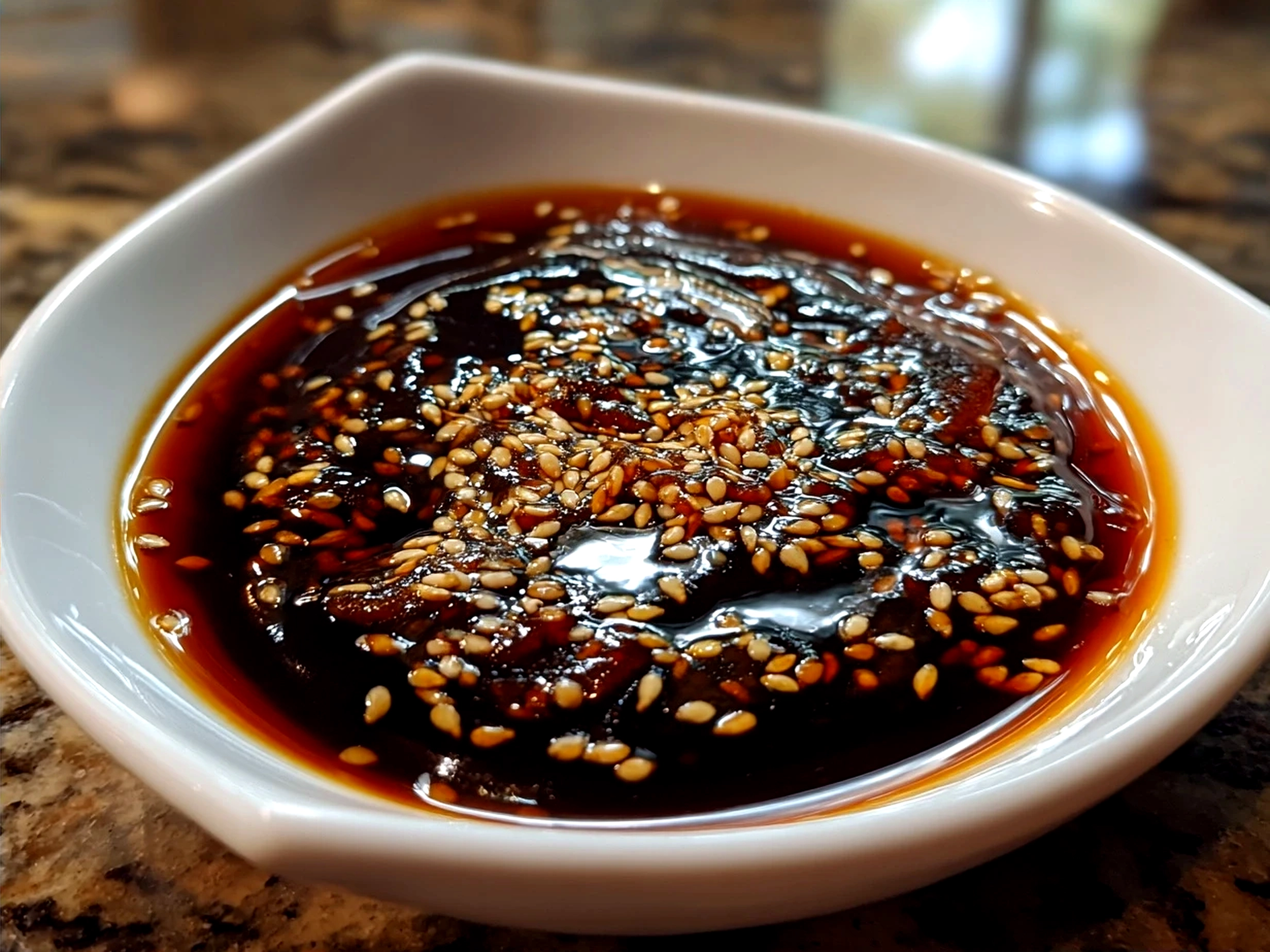
I remember the exact moment when I cracked the flavor code for the perfect Teriyaki Sauce — a moment that changed family dinners in our home forever. It started as a challenge in my kitchen when I wanted a sauce that had the right balance of sweet and savory, with that unmistakable ginger garlic flavor that makes Japanese marinade shine. My family had tasted plenty of store-bought versions but always found them lacking the warmth and depth that feel like a hug on a plate.
I recall my youngest’s first bite of my homemade Teriyaki Sauce – he paused, eyes wide, and said, “Mom, this tastes like it came from a restaurant!” That little comment was everything to me. This Teriyaki Sauce became our household secret, the sauce that brought us together around the dinner table time and again. Its soy sauce glaze finish, rich with sweetness but grounded in umami, created a connection that felt deeper than just flavors on a tongue.
Over the months, this sauce grew into more than just an ingredient — it became a ritual in our kitchen. I learned to balance that sweet savory sauce’s richness without overwhelming the fresh ginger and garlic that give Teriyaki Sauce its zing. Each batch felt like a little celebration of home and heritage, a taste of Japan through ingredients and muscle memory.
If you’re a fellow flavor seeker looking for a Teriyaki Sauce that’s straightforward, nourishing, and full of authentic flavor, you’re in the right place. I’m here to share everything I’ve learned about this Japanese marinade — from the perfectly balanced ginger garlic flavor to tips on transforming simple soy sauce into a luscious glaze. Let’s cook up something special that turns everyday meals into family traditions.
INGREDIENTS You’ll Need:
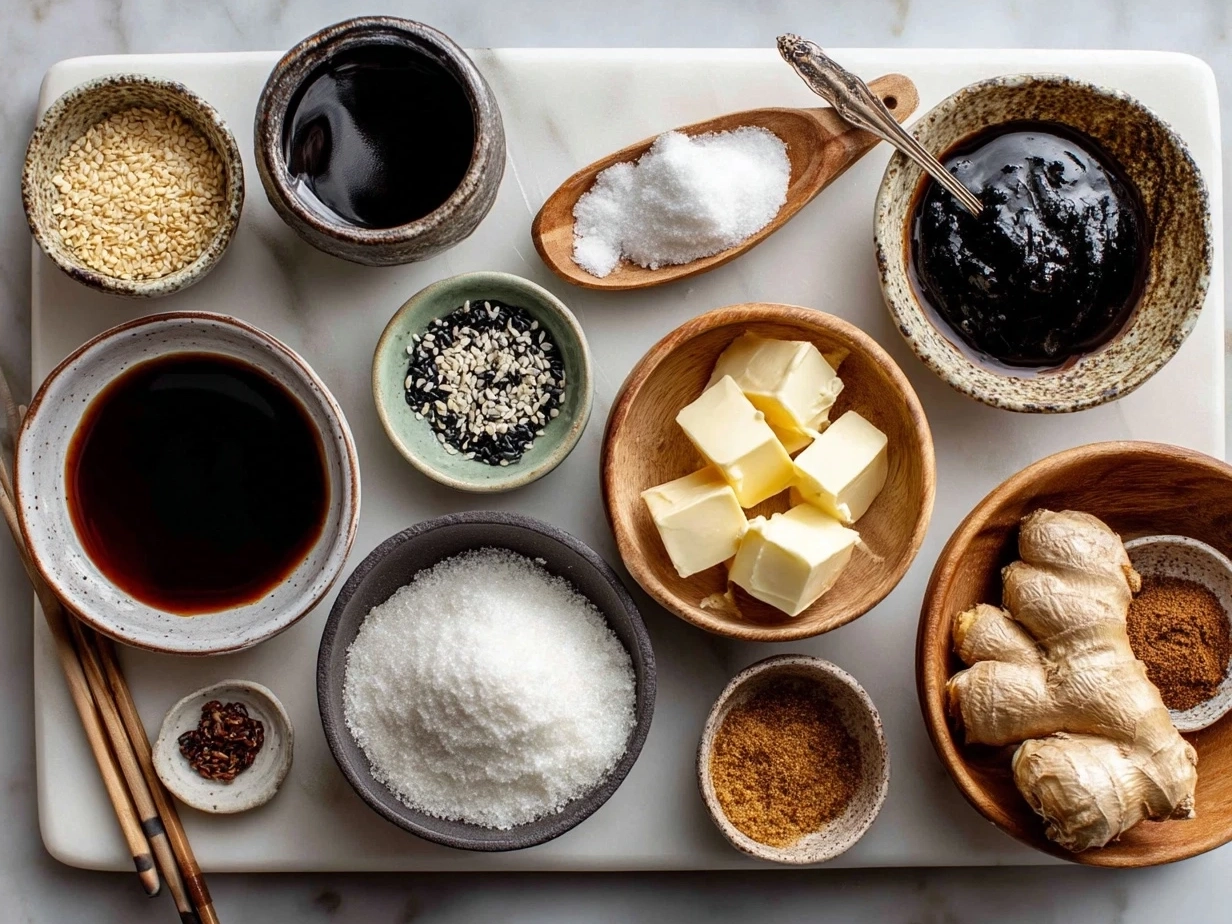
Here’s the heart of making your Teriyaki Sauce sing — choosing ingredients with intention. Trust me, this Teriyaki Sauce ingredient list focuses on quality over quantity for authentic flavors!
- 1/2 cup soy sauce (preferably low sodium) — For the best flavor in your Teriyaki Sauce, sourcing a naturally brewed soy sauce from your local Asian grocery ensures deep umami without harsh saltiness.
- 1/4 cup mirin (Japanese sweet rice wine) — This adds sweetness and a slight tang that’s essential for authentic Japanese marinade balance. You’ll find mirin at well-stocked supermarkets or Asian markets.
- 3 tablespoons sake (optional) — Adds depth and softens the intensity of soy sauce. If you skip sake, a splash of water or light broth works fine.
- 2 tablespoons brown sugar — Use unrefined brown sugar for richer caramel notes in your Teriyaki Sauce.
- 1 tablespoon grated fresh ginger — Fresh ginger is non-negotiable for that sharp, warming flavor that lifts the whole sauce.
- 2 cloves garlic, minced — Garlic adds savory punch, complementing the ginger’s brightness with its earthiness.
- 1 teaspoon toasted sesame oil — My family loves when I add this extra touch to our Teriyaki Sauce for a nutty finish that brings everything home.
- 1 teaspoon cornstarch mixed with 2 tablespoons water — This slurry thickens the sauce to a perfect soy sauce glaze consistency without adding heaviness.
You’ll find the freshest ingredients for this Teriyaki Sauce at your local farmers’ market or Asian specialty stores. Fresh ginger and fresh garlic make all the difference here — skip the powders if you want the true character of this sweet savory sauce.
This Teriyaki Sauce proves that authentic flavor comes from thoughtful ingredient choices rather than complexity. Keep your ingredients fresh and simple, and your Japanese marinade will shine bright at every family meal.
Let’s Create This Together!
Now for the fun part—making the Teriyaki Sauce from scratch, side by side. In my kitchen, this flavorful Teriyaki Sauce typically takes about 15 minutes from start to finish, including simmering time for the flavors to meld.
1. Combine soy sauce, mirin, sake, and brown sugar in a small saucepan. Stir the mixture over medium heat to dissolve the sugar fully. This is where you’ll start noticing the aroma of sugar caramelizing gently with the soy’s umami—a perfect dance!
2. Add grated ginger and minced garlic. This is your punch of ginger garlic flavor kicking in. Stir to combine and let it all warm through.
3. Bring the sauce to a gentle simmer. Here is where the real magic happens. Allow it to simmer uncovered for 5-7 minutes. You’ll notice the sauce thickening slightly and the aromas deepen into a sweet savory sauce that fills the kitchen.
4. Whisk the cornstarch slurry and slowly pour it into the simmering sauce. Don’t rush this part. Stir constantly to avoid lumps, and watch your soy sauce glaze reach that luscious, slightly sticky finish which clings beautifully to teriyaki chicken or veggies.
5. Remove from heat once thickness is to your liking. I usually simmer another 1-2 minutes after adding slurry. If it gets too thick, a splash of water smooths it out.
6. Let the sauce cool slightly before using or storing. Pro tip: The flavors mellow even more once cooled, enhancing that authentic Japanese marinade sweetness with a fresh ginger garlic flavor.
Here’s where I used to miss a key step with my Teriyaki Sauce — adding the cornstarch slurry carefully for that glossy soy sauce glaze texture. Learn from my early kitchen adventures! While your Teriyaki Sauce is developing these flavors, take a moment to appreciate creating something special for your family.
If you prefer a richer flavor, consider this Orange Teriyaki Sauce recipe for a citrus twist that our family loves. For sweet endings after a savory meal, I recommend trying this Custard Pie with Praline Sauce for dessert that complements the day’s flavors beautifully.
How We Love to Enjoy This!
Our family gatherings quickly grate this aromatic Teriyaki Sauce into our favorite dishes. One evening, the kids practically cheered when I served teriyaki chicken glazed with this sauce over steamed rice and roasted broccoli. The soy sauce glaze’s sweet savory sauce melds perfectly with tender chicken, creating flavors that feel homey but special.
We also enjoy it as a dipping sauce for grilled veggies or drizzled over rice bowls layered with fresh greens and pickled daikon. For those busy weeknights, a quick stir-fry tossed in this sauce makes everyone feel nourished and satisfied with minimal fuss.
Presentation is simple but effective—sprinkle sliced green onions or toasted sesame seeds over dishes glazed with Teriyaki Sauce to highlight its authentic Japanese marinade roots. Leftovers often transform into Teriyaki stir-fry wraps or noodle bowls, making no flavor go to waste.
Seasonally, I shift slightly by adding a pinch of red chili flakes in winter for warmth or a squeeze of lime in summer for brightness. Guests often mention how this sauce tastes homemade with a depth store-bought versions can’t match.
And for a delightful family meal twist, check our take on Chicken with Boursin Sauce — another dinner that balances creamy and savory like our Teriyaki Sauce balances sweet and gingery.
FAQs: Your Questions Answered
1. Does this Teriyaki Sauce really satisfy hearty appetites?
Absolutely! The blend of soy sauce’s umami with brown sugar’s sweetness and the bite from fresh ginger and garlic creates a rich flavor profile that holds up well against bigger, protein-packed meals like teriyaki chicken.
2. What if someone in my family prefers milder flavors in their Teriyaki Sauce?
I recommend reducing the ginger and garlic slightly or diluting the sauce with a touch of water or broth after cooking. You can always serve spicy or bold sauce on the side, letting each person decide how much they want.
3. How can I prepare this Teriyaki Sauce ahead for busy weeks?
Make a batch and keep it refrigerated in a sealed jar for up to a week. The flavors deepen over time like a good marinade. Reheat gently and stir before using. For longer storage, freeze in small portions.
4. Can I use honey instead of brown sugar?
Yes, honey works well and adds a floral sweetness but alters the texture slightly. Use 2 tablespoons instead of 3 for balance.
5. Is this Teriyaki Sauce gluten-free?
If you use tamari instead of regular soy sauce, your sauce is gluten-free and just as flavorful.
6. Why does my Teriyaki Sauce sometimes taste too salty?
That usually comes from soy sauce overpowering other ingredients. I recommend starting with low sodium soy sauce and adjusting sweetness carefully. Adding mirin and sake softens saltiness naturally.
7. How thick should my Teriyaki Sauce be?
Settle on a medium-thick soy sauce glaze that clings to your teriyaki chicken but isn’t sticky glue. If it’s too thin, add more cornstarch slurry slowly.
These kitchen adventures with Teriyaki Sauce have taught me that balance and ingredient quality create the difference between a quick fix and a family favorite. Remember, adapting the sauce to your family’s preferences will bring more flavor victories.
For more genuine cooking ideas for family meals, explore discussions about authentic sweet thick Teriyaki-like sauce found at lots of teriyaki restaurants. Also, this Teriyaki Marinade and Sauce Recipe inspired our initial kitchen experiments. And if you’re wondering where to find the best takeout inspiration, check out community thoughts on where to find chicken teriyaki with enough sauce.
Final Kitchen Wisdom:
This Teriyaki Sauce supports our family’s authentic meal goals by bringing simple, nourishing flavors to every plate. Its ginger garlic flavor, balanced sweetness, and deep soy sauce glaze create meals that feel rooted in tradition yet fit modern family life.
My Teriyaki Sauce Flavor Secrets are:
- Fresh ginger and garlic add life to every batch — the fresh aromatics cannot be swapped out without losing soul.
- The balance between mirin’s sweetness and soy sauce’s savory depth keeps the sauce from tipping into one note.
- Slow simmering allows flavors to meld patiently—no shortcuts here if you want full-bodied results.
Over time, my family has grown fond of three variations:
1. Classic Teriyaki Sauce with the original ginger garlic base.
2. Spicy Kick Teriyaki with a pinch of chili flakes added during simmering.
3. Citrus Teriyaki where orange zest and a splash of orange juice brighten the sauce just before finishing.
My dad loves the classic taste most, while my sister adores the spicy kick version. Each flavor speaks to their palate but keeps us connected through this authentic Japanese marinade.
I encourage you to make this Teriyaki Sauce your signature, tweaking it to fit your family’s palate. Each batch is a chance to cook, connect, and celebrate real flavors that nourish body and soul.
Here’s to more family dinners filled with the warmth and aroma of homemade Teriyaki Sauce! If you want to keep your weeknight meals vibrant, try pairing this sauce with my Turkey Medallions with Orange Teriyaki Sauce or wind down with something sweet like a Custard Pie with Praline Sauce. Cooking with love makes all the difference — and Teriyaki Sauce holds a special place in our hearts and plates.
Teriyaki Sauce
A rich and savory Japanese classic, this Teriyaki Sauce is perfect for glazing meats, vegetables, or as a flavorful marinade to elevate any dish with its sweet and umami-packed taste.
- Prep Time: 5 minutes
- Cook Time: 10 minutes
- Total Time: 15 minutes
- Yield: 1 cup
- Category: Dinner
- Method: Skillet
- Cuisine: Japanese
Ingredients
- 1/2 cup soy sauce
- 1/4 cup water
- 2 tablespoons mirin (Japanese sweet rice wine)
- 2 tablespoons brown sugar
- 1 tablespoon honey
- 2 teaspoons grated fresh ginger
- 2 cloves garlic, minced
- 1 tablespoon cornstarch
- 2 tablespoons cold water (for slurry)
Instructions
- In a small saucepan, combine soy sauce, 1/4 cup water, mirin, brown sugar, honey, grated ginger, and minced garlic.
- Bring the mixture to a gentle boil over medium heat, stirring occasionally until the sugar dissolves.
- In a separate small bowl, mix cornstarch with 2 tablespoons cold water to make a slurry.
- Slowly whisk the cornstarch slurry into the simmering sauce.
- Continue to cook for 2-3 minutes until the sauce thickens to your desired consistency.
- Remove from heat and let it cool slightly before using as a glaze, marinade, or dipping sauce.
Notes
For a smoky twist, add a teaspoon of toasted sesame oil at the end of cooking. This sauce keeps well refrigerated for up to one week.