

One chilly Saturday morning, I faced a kitchen challenge with the French Croissant that changed the way I cook forever. My family’s taste buds can be picky, especially when it comes to a buttery crescent pastry with just the right balance of flakiness and richness. The first time I attempted this Viennoiserie classic, I struggled to get those perfect flaky pastry layers that make every bite melt in your mouth.
After a few tries, I realized it wasn’t just about following a recipe. It was about understanding the laminated dough, the rhythms of folding butter into dough, and the flavor dance that happens during proofing and baking. This French Croissant became more than a breakfast pastry — it became a way to gather my family around the table with smiles and eager requests for “more, please.” The authentic flavor brought warmth and connection we hadn’t found in store-bought versions.
As I improved my skill, I saw how this French Croissant created moments of joy, a break from the rush, where simple, nourishing food brought us together. Fellow flavor seekers, if you’re ready to join me in kitchen adventures that bring heartfelt meals and flaky pastry layers to life, this French Croissant road is for you. Whether you’re new to laminated dough or seeking that buttery croissant flavor that feels like a warm hug, I’ll share what I’ve learned with authentic, family-tested wisdom.
If you cherish genuine flavor over shortcuts, your kitchen will sing with this French Croissant. A word of advice before we dive in: patience and quality ingredients are your best kitchen allies here. Let’s get started together!
INGREDIENTS You’ll Need:
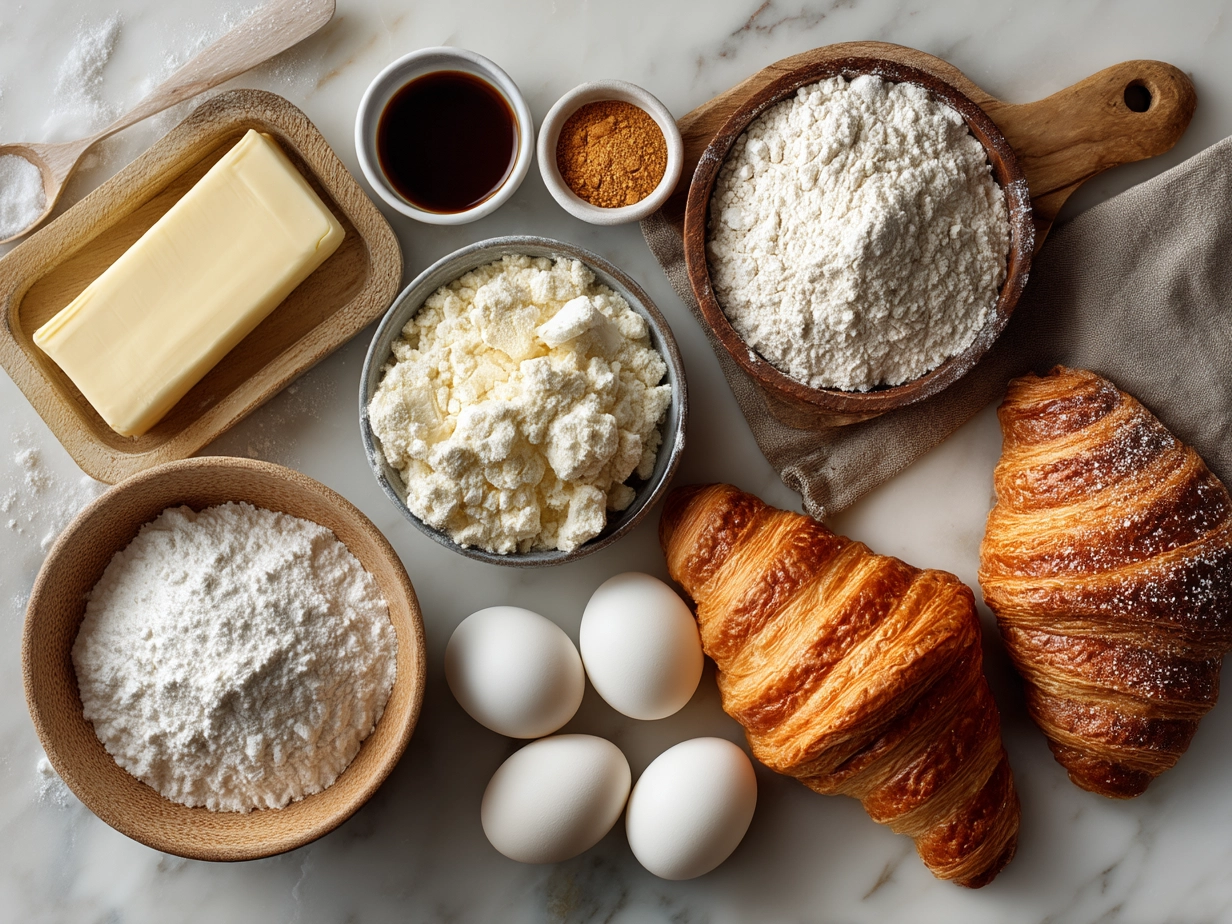
3 ½ cups (440g) all-purpose flour, preferably unbleached for a tender crumb
1 cup (240ml) whole milk, warmed to about 95°F (35°C) — fresh is key for buttery croissant flavor
1/4 cup (50g) granulated sugar to balance the buttery richness
2 tsp active dry yeast — you want fresh yeast from a trusted source for full rise and aroma
1 tsp salt — balances the butter’s sweetness beautifully
1 cup (225g) unsalted butter, chilled and cut into thin slices for lamination
1 large egg, beaten for egg wash to achieve that golden glaze
A touch of vanilla extract (optional) — my family loves when I add this extra touch to our French Croissant for subtle warmth
For the best flavor in your French Croissant, I recommend sourcing organic flour and fresh unsalted butter from a local bakery or specialty grocer near you. You’ll find the freshest ingredients for this French Croissant at farmers’ markets or well-stocked grocery stores.
If you ever need an alternative, European-style butter works wonderfully for richer flaky pastry layers, especially when folding laminated dough. This French Croissant proves that authentic flavor comes from thoughtful ingredient choices. Remember, the butter’s quality shapes every bite’s buttery crescent pastry magic.
To prep, chill the butter well and handle the dough gently to keep it cool — warmer dough can make lamination tricky! Trust me, this French Croissant ingredient list focuses on quality over quantity for authentic flavors that bring family tables alive.
Let’s Create This Together!
1. Activate Your Yeast: In a small bowl, mix warm milk and sugar. Sprinkle yeast over the top and stir gently. Let it sit for 5-10 minutes until frothy. This signals your yeast is alive and ready, setting your French Croissant up for that perfect rise.
2. Mix the Dough: In a large bowl, whisk flour and salt. Add the yeast mixture and stir until combined. Your dough will be shaggy but don’t worry — this is the start of the laminated dough journey.
3. Knead & Chill: Knead your dough on a lightly floured surface for about 5-7 minutes. It should become smooth and elastic. Wrap it in plastic and chill for 1-2 hours. Cooling the dough helps develop the pastry structure you want in your French Croissant.
4. Prepare Your Butter Block: On parchment paper, arrange chilled butter slices into a square and pound them with a rolling pin into an even layer about ¼ inch thick. Chill again for 30 minutes. Butter temperature is key here — too soft, and it’ll leak; too hard, and lamination gets tough.
5. Laminate the Dough: Roll out your dough into a rectangle twice the size of the butter block. Place the butter block on one half, fold the other half over, and seal the edges like a butter envelope.
6. Roll & Fold: Roll out the dough to a long rectangle, then fold into thirds like a letter. This is the first fold of your laminated dough to build flaky pastry layers. Wrap and chill for 30 minutes.
7. Repeat Folding: Do two more folds—roll, fold, chill—totaling three folds. This step creates those flaky pastry layers that make a French Croissant such a revered Viennoiserie.
8. Shape Your Croissants: Roll the final dough out into a large rectangle about ¼ inch thick. Cut triangles with a sharp knife, lengthwise about 5 inches tall. Starting from the wide end, roll each triangle tightly toward the point to form that classic buttery crescent pastry shape.
9. Proofing Time: Place your croissants on parchment-lined baking sheets. Cover loosely with a towel and let them proof in a warm spot for about 1.5 hours until puffy. Don’t rush this part—it’s when the aroma develops and the magic builds.
10. Egg Wash & Bake: Brush each croissant gently with beaten egg for a golden crust. Bake at 375°F (190°C) for 15-20 minutes until they’re puffed and golden. Your kitchen will fill with an irresistible smell — time to celebrate your French Croissant flavor victory!
In my kitchen, this flavorful French Croissant typically takes a full day with rests, but the outcome is worth every minute. While your French Croissant is developing these flavors, take a moment to appreciate creating something special for your family. For more inspiration on buttery, flaky homemade croissants, check out this helpful guide on how to make buttery, flaky homemade croissants.
How We Love to Enjoy This!
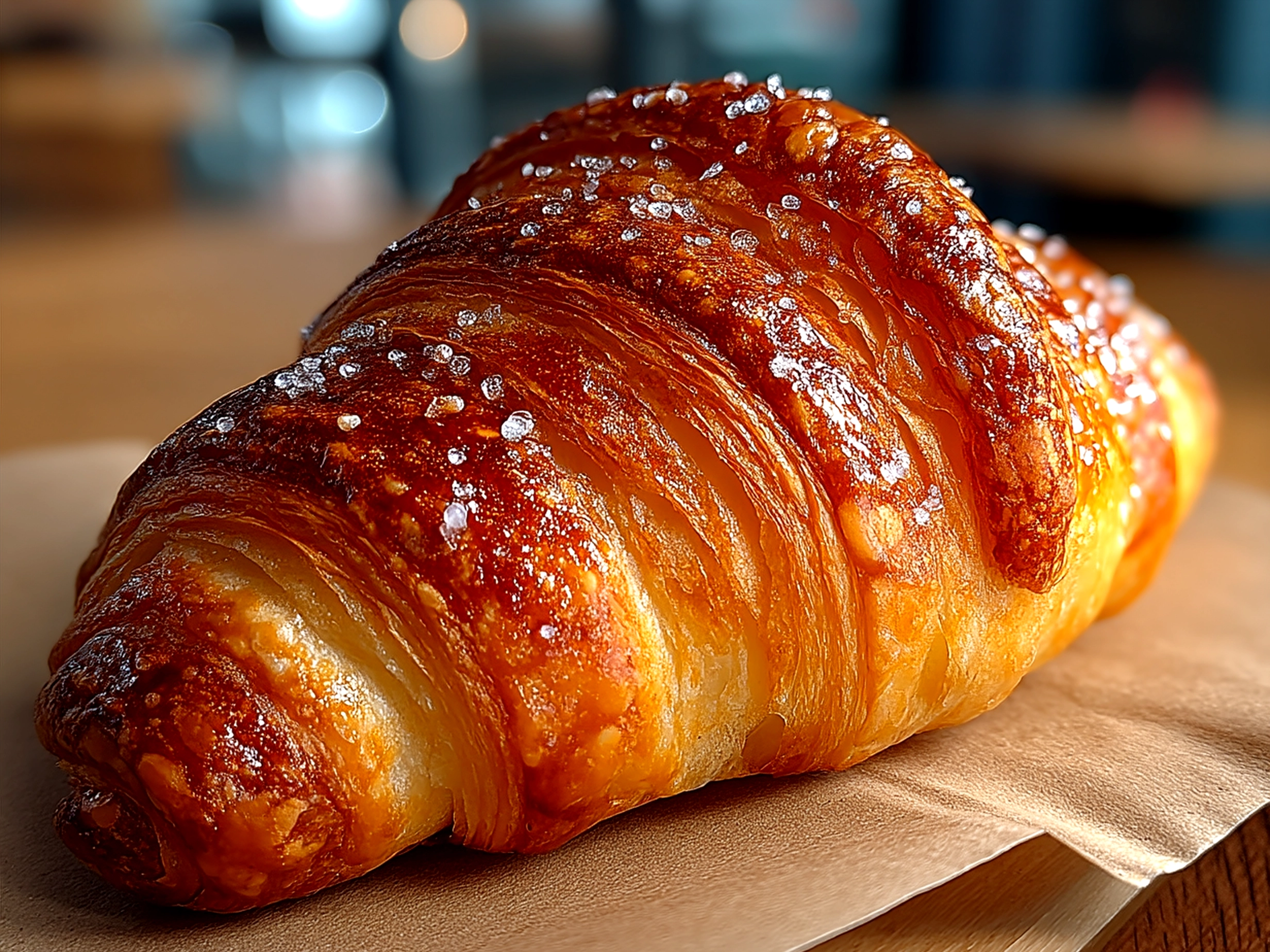
Our family gathers quickly when this aromatic French Croissant appears alongside a rich cup of coffee or a freshly made smoothie. This breakfast pastry pairs beautifully with fresh fruit, creamy cheeses, or even savory ham slices for a balanced start.
For casual weekend brunches, I like to serve it with scrambled eggs and sautéed greens — the buttery crescent pastry perfectly complements an earthy vegetable side. On special occasions, we enjoy our French Croissant with homemade jam or honey to enhance the rich laminated dough flavor, creating a sweet-and-buttery breakfast moment.
If you have leftovers, no worries! You can split a croissant and fill it with smoked turkey and cheese for a quick sandwich. Or toast and top with Nutella for decadent yet simple afternoon treats. Leftover French Croissant croissants even inspire my twist on French Toast Casserole — you can find that recipe for inspiration here: French Toast Casserole Delight.
Seasonally, I’ve perfected adding a hint of cinnamon during dough mixing for a cozy winter variation. During summer, a sprinkle of lemon zest brightens up the buttery layers. Guests always compliment this authentic French Croissant and often ask for the recipe—proof that genuine flavor keeps them coming back for more!
If your family loves these authentic flavors, they’ll appreciate this transformation, and you’ll see how a classic French Croissant can be a versatile star. Don’t miss dinner ideas like my favorite homemade chocolate croissants for a chocolate twist that brings extra smiles.
FAQs: Your Questions Answered
1. Does this French Croissant really satisfy hearty appetites?
Absolutely! The flaky pastry layers of laminated dough provide a rich, filling experience that is surprisingly satisfying even for big eaters. My teen sons adore how the buttery crescent pastry feels indulgent but not heavy—perfect for weekend breakfasts.
2. What if someone in my family prefers milder flavors in their French Croissant?
Try easing the sugar or vanilla extract amounts slightly. The laminated dough’s buttery essence still shines through without overpowering. You can also pair croissants with milder spreads or subtle cheese for a gentler palate.
3. Can I prepare this French Croissant ahead for busy weeks?
Yes! You can shape and freeze croissants before the final proof. When ready, thaw, proof for 1 hour, and bake. This practice keeps busy home cooks ready with fresh, flaky pastry layers without starting from scratch each time.
4. Is laminated dough tricky for beginners?
It takes patience but many flavor seekers find the process rewarding. Keeping everything cool is key. Don’t rush folds, and use a light touch with rolling. If your dough tears, gently patch it—it happens!
5. How long will these French Croissants stay fresh?
Best enjoyed fresh but stored in an airtight container, they keep well for 2 days. Reheat slightly before serving to bring back flaky pastry layers’ crispness.
6. Can I substitute gluten-free flour?
Traditional French Croissants need gluten for structure, but you can experiment with gluten-free blends made for laminated dough. Texture will differ, so expect a softer, less flaky result.
7. Where did you learn these authentic French Croissant techniques?
A fantastic inspiration was found in a Croissant – Wikipedia article, combined with trial and error guided by family feedback. Plus, tips from the German cousin of the croissant, less effort community helped simplify steps while maintaining real flavor.
My family’s flavor victories and questions keep inspiring my kitchen adventures, and I love sharing what I’ve learned with you!
Final Kitchen Wisdom:
This French Croissant supports my family’s love for authentic meals that combine comfort with nourishing flavors. The buttery crescent pastry, crafted with care in every fold of laminated dough, brings out the best in simple ingredients.
My French Croissant Flavor Secrets:
– Chill and handle your butter and dough precisely, refreshing flavor and flaky pastry layers every time.
– Patience in proofing lets natural yeasty aromas develop, deepening authentic Viennoiserie character.
– Adding a touch of vanilla extract creates subtle warmth, making it a family favorite without overpowering the buttery dough.
Our family enjoys three signature French Croissant versions: classic straight buttery croissants for breakfast, chocolate-filled for weekend treats (see my homemade chocolate croissants post), and cinnamon-spiced for cooler seasons. My kids prefer the classic plain croissant, while my husband can’t resist the chocolate variant.
You have everything you need to make this French Croissant your signature recipe. I hope it brings your family the same warmth and genuine flavor that fills my home each time these flaky pastry layers come out of the oven.
For more genuine cooking ideas for family meals, explore our French Silk Pie Recipe for dessert inspiration that pairs beautifully with fresh croissants.
You’re on your way to creating memorable, satisfying meals with authentic flavors — I’m cheering you on every step! Keep gathering your loved ones around the table and sharing the joy that only a truly great French Croissant can bring.
French Croissant

The French Croissant is a flaky, buttery pastry known for its delicate layers and crisp exterior, perfect for breakfast or a light snack.
- Prep Time: 40 minutes
- Cook Time: 20 minutes
- Total Time: 3 hours
- Yield: 12 servings
- Category: Breakfast
- Method: Baked
- Cuisine: French
Ingredients
- 4 cups all-purpose flour
- 1/2 cup warm milk
- 1/2 cup warm water
- 1/4 cup granulated sugar
- 2 1/4 tsp active dry yeast
- 1 1/2 tsp salt
- 3 tbsp unsalted butter, melted
- 1 1/4 cups cold unsalted butter (for laminating)
- 1 egg (for egg wash)
Instructions
- In a bowl, dissolve yeast in warm water and milk with sugar. Let it sit for 5-10 minutes until foamy.
- Combine flour and salt in a large mixing bowl. Add melted butter and yeast mixture; knead until smooth and elastic.
- Shape dough into a ball, cover, and refrigerate for at least 1 hour.
- Prepare cold butter slab by pounding and rolling it into a 7×7 inch square. Keep refrigerated.
- Roll out dough into a 10×10 inch square. Place butter slab in center, fold dough over butter, sealing edges.
- Roll dough into a 20×10 inch rectangle. Fold into thirds (like a letter). Refrigerate 30 minutes.
- Repeat rolling and folding two more times, chilling 30 minutes between folds.
- Roll dough out into a large rectangle, cut into triangles.
- Roll each triangle starting at the wide end towards the tip to form crescent shapes.
- Place croissants on baking sheet; let rise until doubled, about 2 hours.
- Brush with beaten egg and bake at 375°F (190°C) for 15-20 minutes until golden brown.
Notes
For extra flavor, brush croissants with honey butter right after baking or fill with chocolate before rolling for a classic pain au chocolat.