
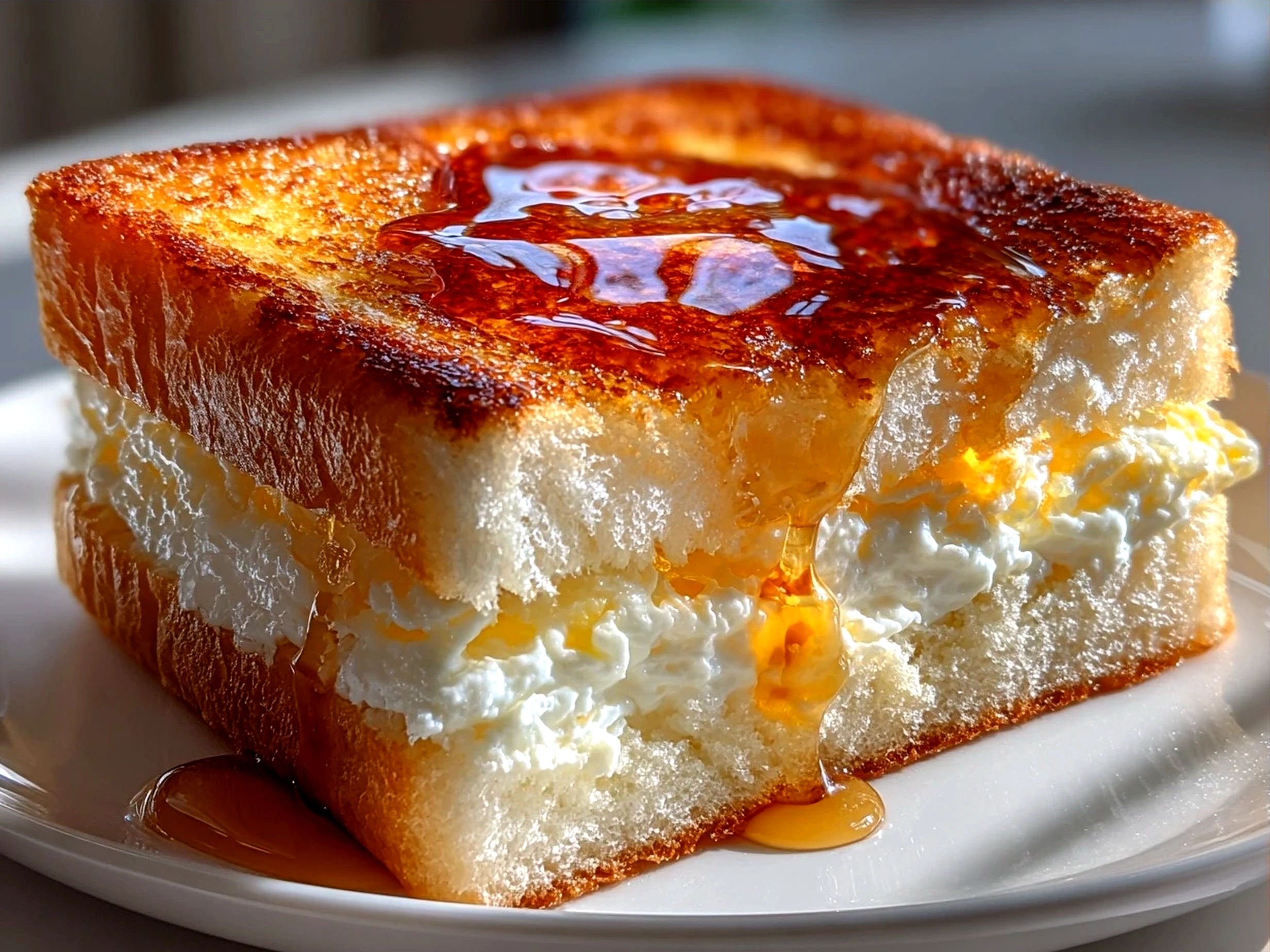
When I first brought the idea of making a Japanese Egg Sandwich to my family table, I wasn’t sure how it would land. I had heard whispers from friends about its soft white bread sandwich construction and the delicate balance between eggs and seasonings. The first time I attempted it, I learned quickly that it was all about subtlety—the right fluffiness of the eggs, the perfect tenderness of the bread, and not overpowering it with too many spices. My family’s reaction surprised me; simple smiles and quiet nods turned into eager requests for seconds the very next day.
This Japanese Egg Sandwich became a household favorite because of how it connected us through its authentic flavors. It’s not about complexity; rather, it’s about bringing that perfectly fluffy egg sandwich texture and the mild layers of flavor wrapped in soft white bread. It reminds me of those peaceful weekends when we all gather around the kitchen, chatting while I prepare exactly this kind of meal. Getting to that sweet spot in flavor took some trial and error—I’d say that perfecting my Japanese egg salad sandwich recipe was like discovering a secret handshake that says ‘welcome home’ to my loved ones.
As a fellow flavor seeker, if you’re on a journey to find genuine, flavorful meals that nourish both body and soul without the hassle, this Japanese Egg Sandwich is a warm invitation. It suits busy families and slow, savoring afternoons alike. Plus, it pairs beautifully with other home favorites, like the crispy chicken caesar sandwich I shared recently or those soft Japanese milk bread rolls you can find recipes for on my blog.
Ready to bring this to your table? Let’s get comfortable in the kitchen together and celebrate these simple, satisfying flavors that make every bite count.
INGREDIENTS You’ll Need:

For your Japanese Egg Sandwich, trust me—choosing the right ingredients means everything. Here’s the simple list that turns this humble sandwich into a family celebration:
- 4 large eggs, free-range if possible, for richer flavor and texture
- 2 tbsp Japanese mayonnaise (Kewpie is my go-to for that authentic creamy tang)
- 1 tsp sugar, just a pinch to balance the mayo and egg
- Salt, to taste (about 1/4 tsp)
- Pinch of white pepper, optional but adds subtle warmth without overpowering
- 4 slices of soft white bread, crusts removed for that classic fluffy egg sandwich feel (Japanese milk bread rolls work beautifully here—you can try the recipe I love from Japanese Milk Bread Rolls)
- Butter, for lightly toasting the bread if you like that soft golden edge
You’ll find the freshest eggs and the most reliable Japanese mayonnaise at your local Asian market or trusted online specialty stores. My family loves adding that tiny pinch of sugar; it’s a subtle flavor secret that lifts the overall taste without making it feel sweet. If you’re after a creamier texture, you can explore variations that add a touch of whipped cream or yogurt but keep it mild.
For seasoning, white pepper is a gentle spice secret here, providing just enough warmth to highlight the egg’s flavor without stealing the show. Using fresh eggs means your Japanese Egg Sandwich will achieve that fluffy egg sandwich texture we all crave: light, tender, and perfectly spreadable.
If you like, check out Tiffy Cooks’ Japanese Egg Sandwich – Tamago Sando (CREAMY) guide for more on achieving this texture and flavor balance.
Let’s Create This Together!
Ready to build this comforting favorite? I’ll walk you through the process so you can see kitchen adventures unfold in real time.
- Prep your eggs right away. Crack 4 large eggs into a bowl. Add 1 tsp sugar, salt to taste, and a pinch of white pepper. Beat gently but completely—you want a uniform, slightly frothy mixture for the fluffiest egg sandwich filling.
- Cook low and slow. Pour the egg mixture into a non-stick pan set over low-medium heat. Stir gently and continuously with a spatula. This slow cooking lets the eggs develop that creamy texture, almost like a soft custard—classic in a fluffy egg sandwich.
- Watch for the perfect moments. When the eggs start to set but are still glossy and a little runny, remove the pan from heat to avoid overcooking. The residual warmth finishes the job. Timing here is the trickiest part, but trust your senses: your kitchen should fill with a gentle, warm aroma—signaling the beginning of your Japanese Egg Sandwich flavor.
- Mix in Japanese mayo gently. Once the eggs are slightly cooled, fold in the mayo. This binds moisture and adds that signature creamy tang true to the Japanese egg salad sandwich style.
- Prepare your bread. Lightly butter your soft white bread slices if you prefer. I particularly like toasting just one side for a tender crispy contrast—but making it with soft, untoasted bread is classic and true to authentic style.
- Assemble quickly. Spoon generous amounts of egg filling onto your first slice, then top with another. Press down gently but firmly, cutting diagonally to showcase the fluffy, creamy center.
In my kitchen, this flavorful Japanese Egg Sandwich usually takes about 15 minutes from start to finish—a perfect project for a cozy weekend breakfast or quick lunch. I learned early on that rushing the eggs leads to a tougher filling, so patience is key. Don’t be surprised if your first few tries come out slightly different—practice sharpens your timing with every kitchen adventure!
If you prefer giant fluffy versions, there’s a trending viral recipe you might enjoy trying (Japan’s viral giant fluffy egg sando recipe)—it offers an exciting spin on this classic.
How We Love to Enjoy This!

Our family enjoys the Japanese Egg Sandwich as a simple yet satisfying meal any time of day. It’s a hit for weekend brunches, light dinners, or even an on-the-go snack when paired with juicy, fresh fruit.
I often serve it alongside pickled cucumbers or a crisp salad for a refreshing balance. The creamy egg salad sandwich filling pairs beautifully with something crunchy and slightly tangy. This contrast helps highlight the comforting softness of the sandwich.
If I’m aiming for a complete family meal, I add bites of a crisp side like the Japanese katsu bowls recipe, which adds heartiness to the table (Japanese Katsu Bowls Recipe).
For presentation, cutting the sandwich into neat triangles on a small wooden board invites conversation and sharing—our family always dives in quickly! When we have leftovers, I like to turn them into mini open-faced toasted sandwiches topped with a sprinkle of fresh herbs. No flavor gets wasted, and it keeps the kitchen magic alive the next day.
Guests consistently praise this sandwich for its foolproof texture and delicate harmony of flavors. It’s a lovely way to introduce friends to Japanese-style soft white bread sandwiches without overwhelming unfamiliar taste buds.
The classic flavors of this Japanese Egg Sandwich also adapt beautifully to seasonal ingredients—try adding just a touch of fresh chives in spring or a thin slice of avocado in autumn for creative but approachable versions.
FAQs: Your Questions Answered
- Does this Japanese Egg Sandwich really satisfy hearty appetites?
A: Absolutely! The richness of the fluffy eggs and creamy Japanese mayo delivers a surprisingly filling meal. I’ve had family members tell me it’s perfect for big lunch cravings, especially when paired with sides like salads or pickles. - What if someone in my family prefers milder flavors?
A: This sandwich is naturally mild and gentle on the palate. If you want to tone it down even more, reduce the pepper or mayo slightly. You can also swap out Kewpie mayo for a lighter version or plain Greek yogurt for a softer touch. - How can I prepare this Japanese Egg Sandwich ahead for busy weeks?
A: You can cook the eggs ahead and store the filling tightly wrapped in the fridge for a day or two. Assemble just before eating for the freshest sandwich experience. - Can I swap white bread for something else?
A: For authentic texture, soft white bread or Japanese milk bread is best. But if you’re craving a bit more fiber, light sandwich bread works too—just expect a different mouthfeel. You might like checking out my crispy chicken caesar sandwich recipe for inspiration on other bread options. - What’s the best kitchen tool for making the fluffy eggs?
A: A non-stick pan and a silicone spatula are essential for gentle stirring. This helps keep the eggs tender. If you don’t have a non-stick pan, use very low heat and keep an eye on the eggs. - Are there flavor variations to try?
A: Yes! My family loves adding thin slices of nori or a bit of furikake seasoning for extra umami. Some readers have even added a tiny mustard dab for a subtle kick. - How do I keep the bread from getting soggy?
A: Toasting one side lightly or spreading butter helps create a moisture barrier. Also, assembling the sandwich right before eating makes a big difference.
If you want community feedback and reviews, there’s a helpful discussion about Japanese-style egg salad sandwiches, like the one found in the 7-11 inspired Tamago sando review (Tamago sando review).
Final Kitchen Wisdom:
This Japanese Egg Sandwich has become a cornerstone of our family’s authentic meal traditions. It embodies simple, nourishing flavors that connect us around the table and prove flavor doesn’t need to be complicated.
My Japanese Egg Sandwich Flavor Secrets:
- Using Japanese mayonnaise brings that creamy, umami-rich bite that mayonnaise alone can’t replicate.
- Cooking eggs gently over low heat creates the soft, custardy texture essential to a fluffy egg sandwich.
- A pinch of sugar in the egg mix harmonizes the flavors, balancing sweetness and mild tartness beautifully.
We’ve also enjoyed family-tested variations like adding thin cucumber slices for crunch, topping with furikake seasoning, or folding in a bit of finely chopped scallion to bring fresh brightness. My kids love the creamy classic, while my husband prefers a slightly savory touch with a dash of soy sauce in the egg mix.
I encourage fellow flavor seekers to make this their own signature Japanese Egg Sandwich. It’s a simple recipe that invites personalization without sacrificing its soul.
If your family relishes authentic Japanese flavors, pairing this sandwich with other nuanced recipes like those soft Japanese milk bread rolls or the rich yet simple Japanese katsu bowls helps create well-rounded meals your whole household will appreciate.
Remember, the joy is in the kitchen adventure, the sensory moments, and the shared smiles around the table. Here’s to many flavor victories, friends!
Japanese Egg Sandwich

The Japanese Egg Sandwich is a creamy, fluffy sandwich made with soft white bread and a rich, mayo-laden egg salad for a perfect balance of texture and flavor.
- Prep Time: 15 minutes
- Cook Time: 10 minutes
- Total Time: 25 minutes
- Yield: 2 sandwiches
- Category: Snack
- Method: No-Cook
- Cuisine: Japanese
Ingredients
- 4 large eggs
- 3 tablespoons Japanese mayonnaise (e.g., Kewpie)
- 1 teaspoon Dijon mustard
- Salt, to taste
- Freshly ground black pepper, to taste
- 4 slices soft white sandwich bread, crusts removed
Instructions
- Place eggs in a pot and cover with cold water. Bring to a boil, then reduce heat and simmer for 10 minutes. Drain and cool eggs in cold water.
- Peel the eggs and mash them thoroughly in a bowl.
- Add Japanese mayonnaise, Dijon mustard, salt, and pepper to the mashed eggs and mix until creamy and well combined.
- Spread the egg mixture evenly over two slices of bread.
- Top with remaining bread slices to make sandwiches. Press gently to secure.
- Cut each sandwich diagonally into halves or quarters and serve immediately.
Notes
For an extra fluffy texture, use a blender to whip the egg mixture before spreading, and optionally add a pinch of sugar for subtle sweetness.