
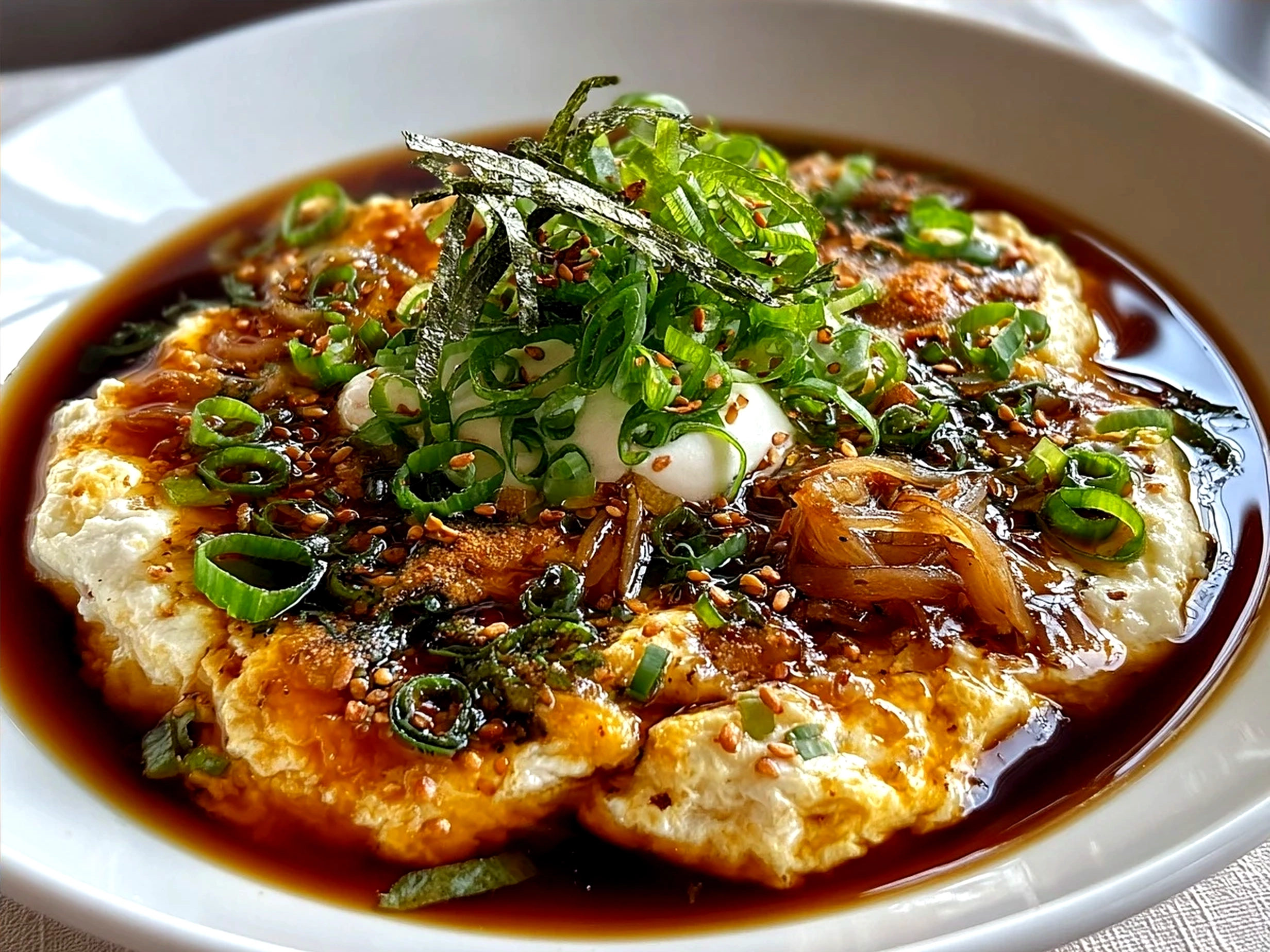
I still remember the first time I tried making Japanese Onion Soup in my own kitchen—it was one of those moments that changed how I approach family meals. I was grappling with balancing the sweetness of caramelized onions with the savory depth of dashi broth, aiming for something comforting yet packed with umami. My family’s first spoonful sparked surprise and smiles, the kind that told me this soup would become a regular at our table. That aha moment made me realize how Japanese Onion Soup carries more than flavor—it carries a connection.
Cooking this Japanese Onion Soup has become part of my kitchen journey, reminding me that authentic family flavors don’t require fuss. It’s about the harmony of soy sauce soup notes, a splash of mirin seasoning, and the slow magic of caramelized onions building richness. Friends at the dinner table often ask about the secret—there’s no shortcut, only patience and respect for ingredients.
If you’re a fellow flavor seeker looking for that satisfying mix of nourishment and authenticity, this Japanese Onion Soup recipe invites you to embrace simple, soulful cooking. It’s a bowl that gathers loved ones and coax stories over every simmer. So grab your pot and join me; our kitchen adventures with Japanese Onion Soup are just beginning!
Ingredients You’ll Need:
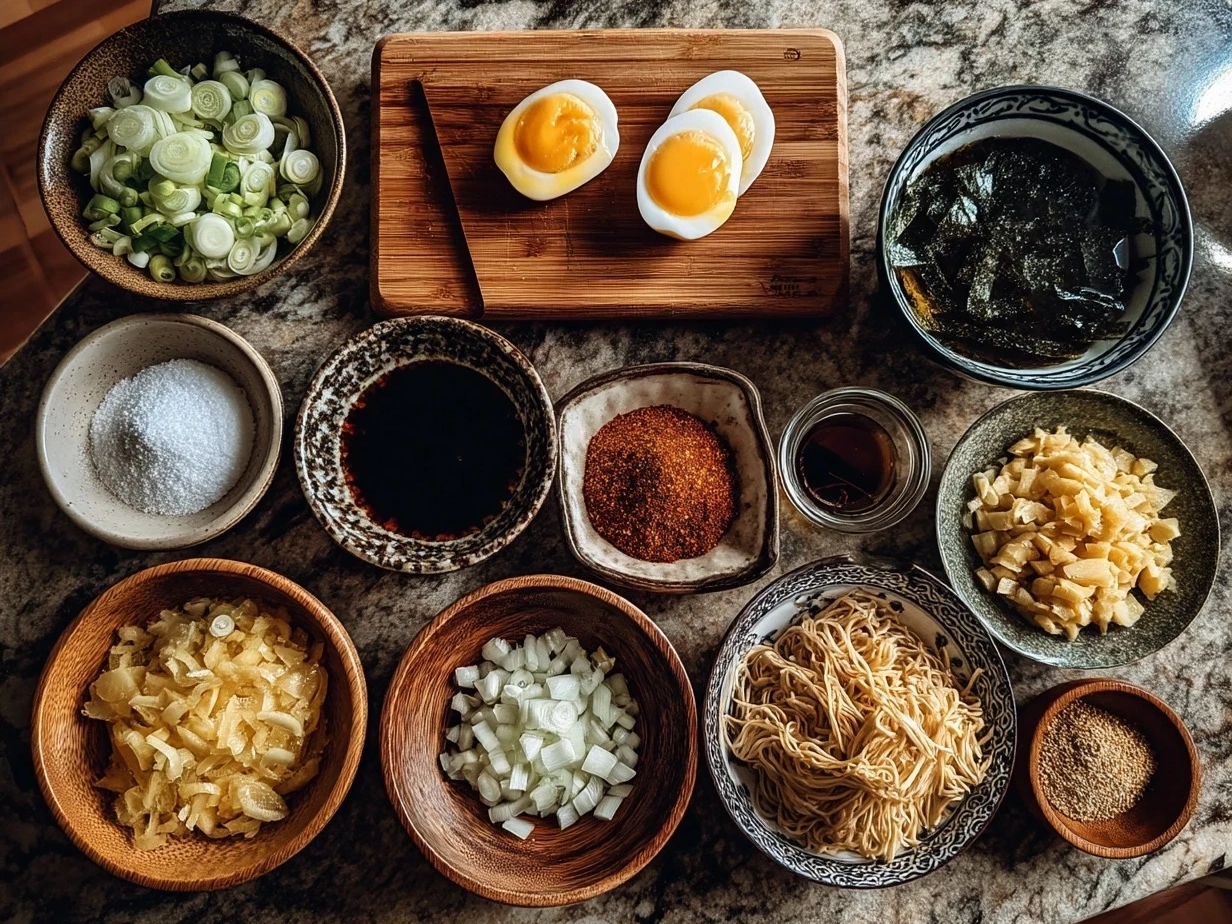
- 4 large yellow onions, thinly sliced (for best caramelized onions, choose onions with a firm texture and sweetness)
- 6 cups dashi broth (homemade or high-quality store-bought; homemade brings the richest umami soup flavor—here’s a Japanese vegetarian broth recipe with shiitake mushrooms for a great dashi alternative)
- 3 tablespoons soy sauce (craft your soy sauce soup base with a naturally brewed variety for depth)
- 2 tablespoons mirin seasoning (balances the savoriness with subtle sweetness)
- 1 tablespoon sake (optional, adds layers to the soup’s flavor)
- 1 teaspoon sugar (helps with caramelization and sweetness balance)
- 2 tablespoons vegetable oil (for caramelizing onions gently)
- Fresh scallions, sliced, for garnish
Trust me, this Japanese Onion Soup ingredient list focuses on quality over quantity for authentic flavors! You’ll find the freshest onions at your local farmers’ market and the best dashi broth ingredients at an Asian grocery store or through reliable online specialty shops. My family loves when I add a little more mirin seasoning for that seasonal sparkle.
Using a good soy sauce and fresh dashi broth turns this Japanese Onion Soup from simple to soul-nourishing. Thoughtful ingredient choices make all the difference!
Let’s Create This Together!
- Heat your pot over medium heat and add the vegetable oil. Once hot, toss in the thinly sliced onions. Stir to coat the onions and spread evenly across the pot to help them caramelize.
- Be patient here. This step usually takes around 25-30 minutes in my kitchen. Stir occasionally—more frequently as the onions start to brown—to avoid burning. You want rich, golden caramelized onions that bring sweet, deep flavor to your Japanese Onion Soup.
- Once onions have a beautiful caramel color and smell fragrant, sprinkle in the teaspoon of sugar to help with the caramelization.
- Pour in the dashi broth carefully. If you’d like to try a homemade dashi broth enriched with umami, give this recipe a glance Japanese vegetarian broth recipe with shiitake mushrooms.
- Bring everything to a gentle simmer. Add soy sauce, mirin seasoning, and sake if you’re using it. Stir well and taste as it simmers to balance saltiness and sweetness. Your Japanese Onion Soup should fill the kitchen with amazing aromas by now!
- Let it simmer for about 10-15 minutes to marry the flavors. Don’t be surprised if your Japanese Onion Soup develops an inviting depth, with the broth carrying that signature umami soup taste.
- Before serving, give the soup a final stir and adjust seasoning to your family’s taste. Garnish with fresh scallions for a pop of color and freshness.
- For those wanting a little extra, adding a few cubes of soft tofu or a sprinkle of toasted sesame seeds brings joyful surprises to this classic Japanese Onion Soup!
I used to miss the importance of slow caramelizing, and that was a game changer for me. While your Japanese Onion Soup simmers and develops these complex flavors, take a moment to enjoy the process—it’s these kitchen adventures that bring warmth to family meals daily.
If you want a different twist, check out this Shiromiso Tonjiru Recipe Japanese Pork Miso Soup for a hearty Japanese-style broth variation that pairs beautifully with onion soup evenings.
How We Love to Enjoy This!
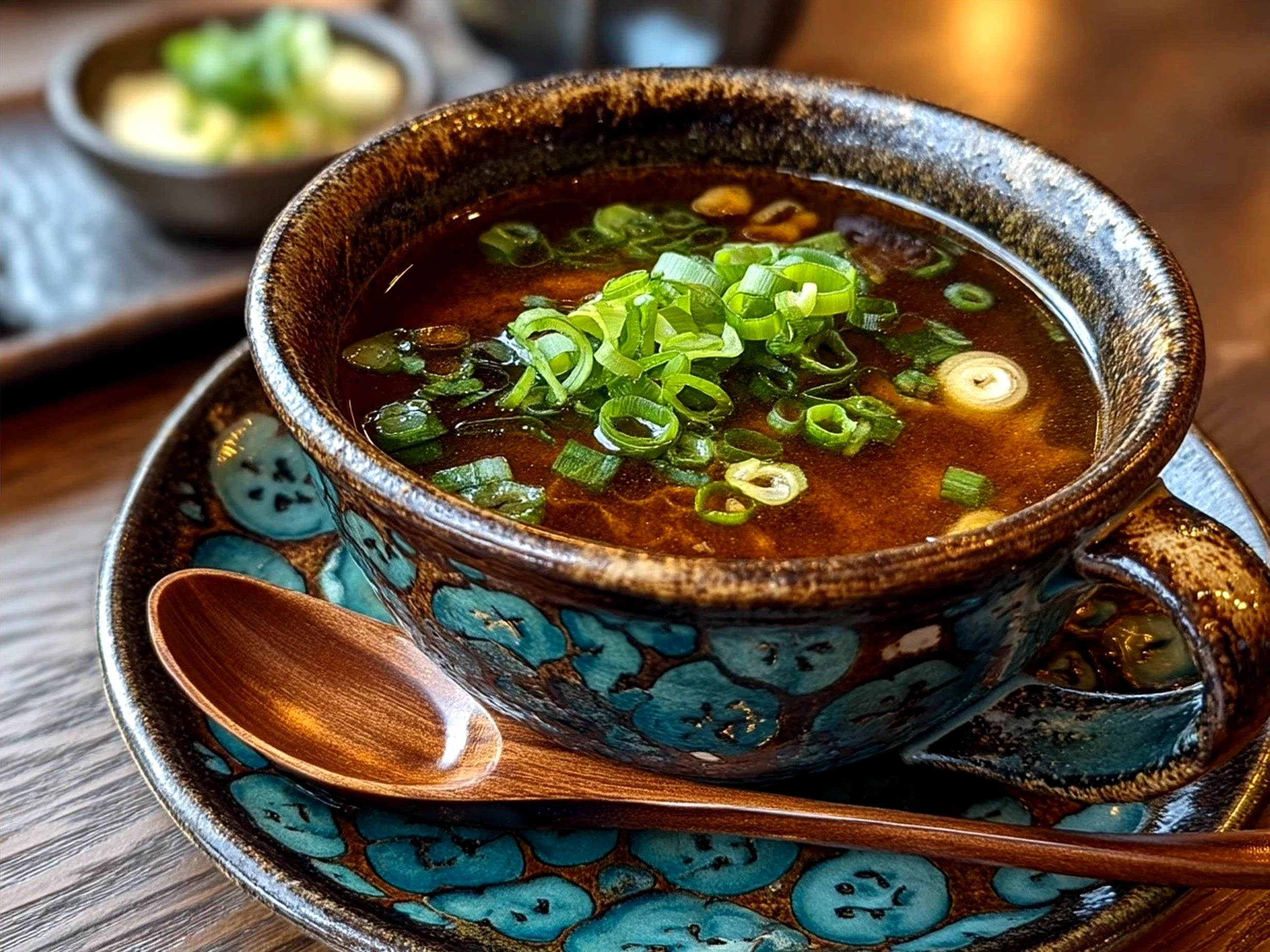
The family gathers quickly when this aromatic Japanese Onion Soup appears with a side of fluffy steamed rice and crisp-edged gyoza. The savory soy sauce soup base complements these dishes beautifully, making it a satisfying centerpiece for weeknight dinners.
This Japanese Onion Soup is perfect for those evenings when we want something filling yet light on the stomach. We often serve it alongside grilled fish or a simple sesame spinach salad, allowing the soup’s umami to shine in balance.
For presentation, I like to serve the soup in rustic ceramic bowls, each garnished with a sprinkle of scallions and a drizzle of mirin seasoning for a glossy finish that highlights the soup’s deep color.
Got leftovers? No problem! Use the remaining Japanese Onion Soup as a base for quick noodle bowls, tossing in soba or udon. For an easy twist inspired by a reader favorite, check out some hearty potato soups like this Potato Soup with Crispy Bacon Bits or the Copycat Panera’s Potato Soup Recipe, which showcase how flavorful broths can be reinvented.
Seasonal tip: In colder months, add thin slices of daikon for added warmth and texture—a little touch my family adores. Guests often comment on how this Japanese Onion Soup comforts yet surprises with its layered flavors.
FAQs: Your Questions Answered
Q1: Does this Japanese Onion Soup really satisfy hearty appetites?
Absolutely! The combination of rich caramelized onions and savory dashi broth gives it a fullness that’s comforting as a meal starter or even a light main. Add some tofu or noodles for extra heft.
Q2: What if someone prefers milder flavors in their Japanese Onion Soup?
You can dial down the soy sauce or mirin seasoning to soften the umami soup aspect. Starting with a milder broth and more caramelized onions gives a sweeter, gentler flavor the whole family can enjoy.
Q3: Can I prepare this Japanese Onion Soup ahead for busy weeks?
Yes! The flavors only get better the next day as they meld. Store in the fridge for up to 3 days or freeze in portions. Reheat gently to keep the delicate balance of flavors intact.
Q4: How important is the dashi broth in Japanese Onion Soup?
Dashi broth is essential. It carries the umami soul of the soup like no other base. You can find dashi powder, but fresh or homemade versions bring a depth you’ll notice immediately. For vegetarian options, try this vegetarian dashi broth with shiitake mushrooms.
Q5: Can I add meat or other proteins to the Japanese Onion Soup?
Yes! Thin slices of pork or chicken can be simmered gently for a heartier bowl, as seen in dishes like Shiromiso Tonjiru Recipe Japanese Pork Miso Soup. Just cook proteins separately or add near the end to avoid overcooking.
Q6: How do I get perfect caramelized onions every time?
Low and slow is the key. Use a wide pan, avoid crowding, and stir frequently once they start browning. Adding a little sugar partway helps deepen that natural sweetness.
Q7: Are there popular variations of Japanese Onion Soup families love?
Yes! Adding tofu, mushrooms, or even a soft boiled egg turns it into a complete meal. Some friends enjoy their soup with a side of spicy pickled vegetables for contrast.
Your kitchen adventures with Japanese Onion Soup will surely evolve with your family’s tastes and preferences!
Final Kitchen Wisdom:
This Japanese Onion Soup supports our family’s drive for authentic, straightforward meals that nourish both body and spirit. It has a way of making the kitchen feel like a warm gathering place, where flavors speak and memories form.
My Japanese Onion Soup Flavor Secrets:
– Slow caramelization of onions unlocks sweet depth you don’t want to skip.
– The right dashi broth makes everything sing—fresh or a trusted store-bought version works wonders.
– Balancing soy sauce soup notes with mirin seasoning brings that perfect savory-sweet harmony.
For variations, my kids love it simple with extra scallions, my partner adds tofu and sesame seeds, and I enjoy experimenting with mushroom dashi bases for extra umami soup richness. This soup invites you to make it yours—adjusting salt, sweetness, and toppings to suit your family’s vibe.
If your family appreciates genuine flavor, give this Japanese Onion Soup a try alongside other favorites like the delicious Garlic Cheddar Potato Soup for a warm, comforting meal spread.
I hope your kitchen fills with the satisfying aroma of this Japanese Onion Soup and the laughter of family around the table. Keep savoring those flavor victories and sharing the joy of simple, nourishing meals.
Happy cooking, fellow flavor seekers!
Japanese Onion Soup

A comforting and flavorful Japanese Onion Soup combining sweet caramelized onions with a savory dashi broth, perfect for a light and warming meal.
- Prep Time: 10 minutes
- Cook Time: 35 minutes
- Total Time: 45 minutes
- Yield: 4 servings
- Category: Dinner
- Method: Skillet
- Cuisine: Japanese
Ingredients
- 4 large onions, thinly sliced
- 4 cups dashi stock
- 2 tablespoons soy sauce
- 1 tablespoon mirin
- 1 tablespoon vegetable oil
- 1 teaspoon sugar
- 2 green onions, chopped (for garnish)
- Optional: tofu cubes or sliced mushrooms
Instructions
- Heat vegetable oil in a large pot over medium heat.
- Add the thinly sliced onions and sugar, cooking slowly until onions are caramelized and golden brown, about 25 minutes.
- Pour in the dashi stock, soy sauce, and mirin; stir to combine.
- Bring the soup to a simmer and cook for an additional 10 minutes to blend flavors.
- If using, add tofu cubes or mushrooms and cook for 3-5 minutes until heated through.
- Ladle the soup into bowls and garnish with chopped green onions before serving.
Notes
For extra richness, add a soft boiled egg or a sprinkle of toasted sesame seeds before serving.